We study social mobility to create more of it

Grantees
Research Grantees 2026
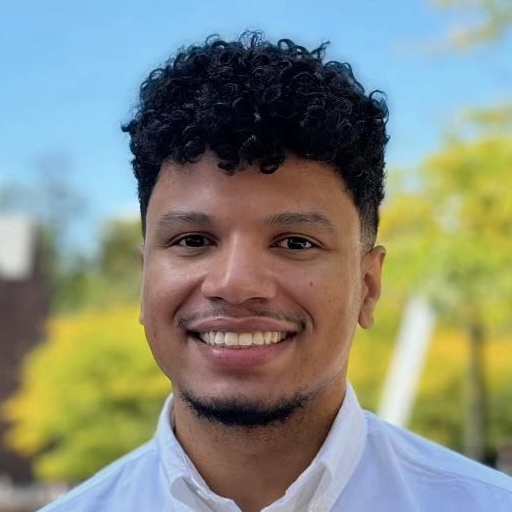
Alexander Adames
Measuring social mobility across the life course
Alexander Adames is an Assistant Professor of Sociology and Faculty Associate at The Stone Center for Inequality Dynamics of the University of Michigan. He is a sociologist and social demographer who primarily examines the drivers and consequences of economic stratification within the United States. Broadly speaking, his research agenda focuses on examining factors associated with variation in wealth, income, and labor market outcomes over the life course and across familial generations. Adames also investigates the factors associated with romantic desirability in the context of online dating. He received his PhD in sociology from the University of Pennsylvania, where he was an Institute of Education Sciences (IES) pre-doctoral fellow and received a master’s in statistics from The Wharton School.
Project description
To examine social mobility from a life course perspective, this study will develop a measure of lifetime social mobility, i.e. at different times in an individual’s lifetime, as well as estimate the timing to the first instance of upward and downward mobility. These approaches will expand current research on social mobility, which typically examines racial and generational differences in social mobility during a person’s early thirties.
See more information
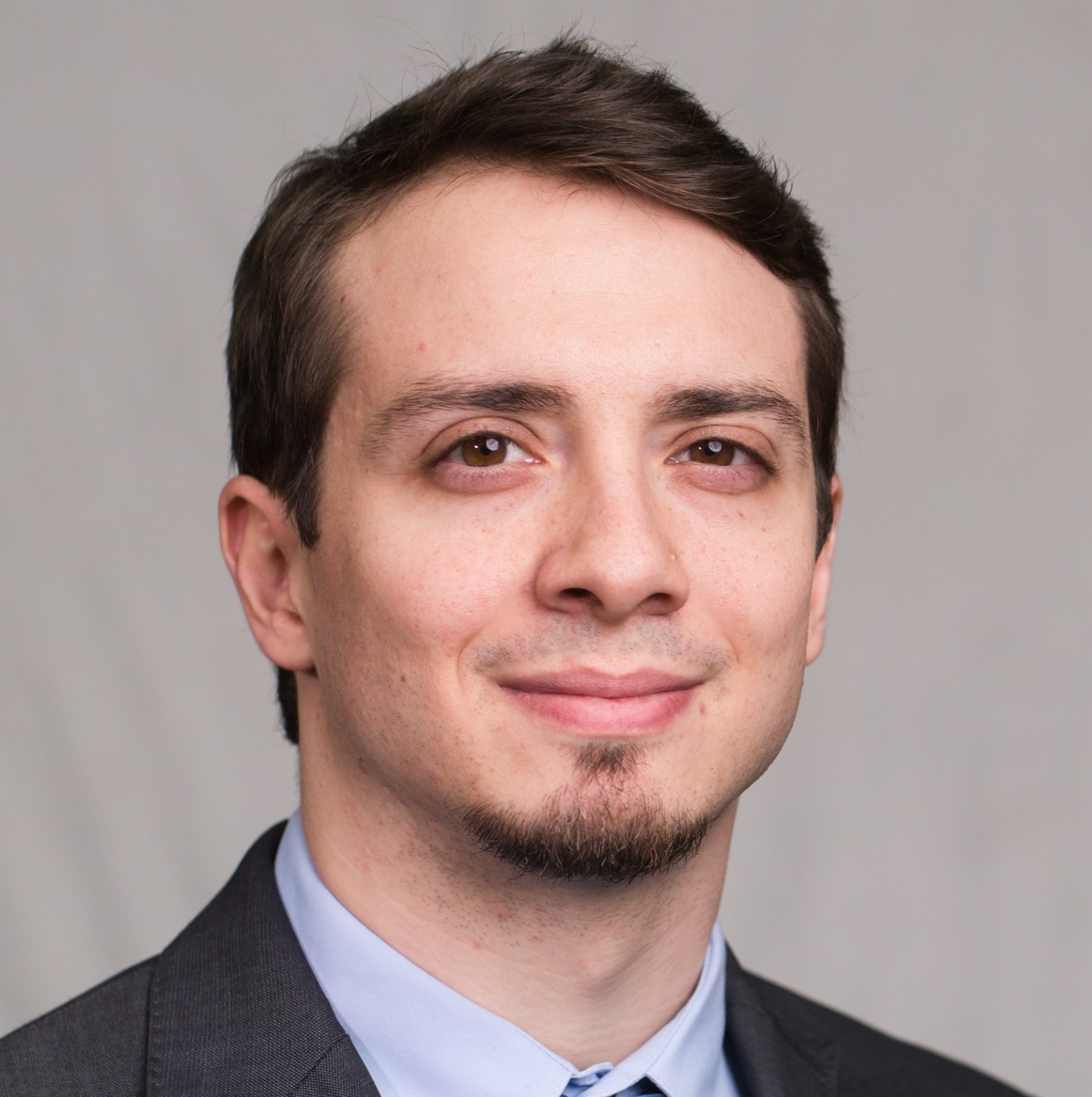
Alexander Browman
Awareness of inequality and mobility beliefs
Alex Browman is an Assistant Professor of Psychology at the College of the Holy Cross. A social and educational psychologist by training, his research explores the beliefs that people hold about education and educational disparities, and how understanding these beliefs can help make education more equitable. In particular, he examines how students, teachers, and the public come to internalize inequities in educational contexts and policies, and the consequences for academic motivation and performance, especially for students from less advantaged, lower-opportunity backgrounds. He then works to develop interventions designed to reform these internalized beliefs and the structural policies and practices that create them. He completed his BS. in psychology and biology at McGill University, his MS and PhD in social psychology at Northwestern University, and a postdoctoral fellowship in applied developmental and educational psychology in the Lynch School of Education and Human Development at Boston College.
Project description
One of the primary pathways to future financial mobility and stability for Americans from low-socioeconomic status (SES) backgrounds is through higher education. However, prior research has found that low-SES youth and young adults see less value in and are less motivated to persist in their education when they believe that upward social mobility is generally not possible in their society. The goals of this longitudinal project are to (a) identify specific educational experiences that strengthen low-SES students’ beliefs about the attainability of mobility over the course of their first-year in college; (b) examine whether exposure to these experiences strengthens their academic motivation and outcomes; and (c) work with the administration at a selective liberal arts college to implement initiatives to increase the availability of such beneficial experiences.
See more information

Prabal De, Zixiao Feng
College affordability and intergenerational mobility: finding new evidence from longitudinal national data
Prabal De is a professor of economics and chair of the Department of Economics and Business at the Colin Powell School, doctoral faculty at the CUNY Graduate Center, and faculty affiliate at the CUNY Institute of Demographic Research. His research examines the intersection of economics and health policy, including studies on the Affordable Care Act, reproductive health, COVID-19, discrimination, and the impacts of economic shocks on mental health and well-being.
Zixiao Feng is a third-year PhD student in economics at the CUNY Graduate Center and a fellow at the CUNY Institute for Demographic Research. His research lies at the intersection of labor economics, demography, and inequality, with a particular focus on disability, family structure, and socioeconomic mobility. He works with longitudinal and cross-national datasets and uses econometric and demographic methods to study cross-national and intergenerational processes.
Project description
CUNY and The City College of New York rank highly on income-based measures of upward mobility, but the drivers of this success remain unclear. A simple explanation may be lower tuition. This project examines how tuition shapes intergenerational mobility, comparing children to their parents using longitudinal data on income, health, and well-being.
See more information
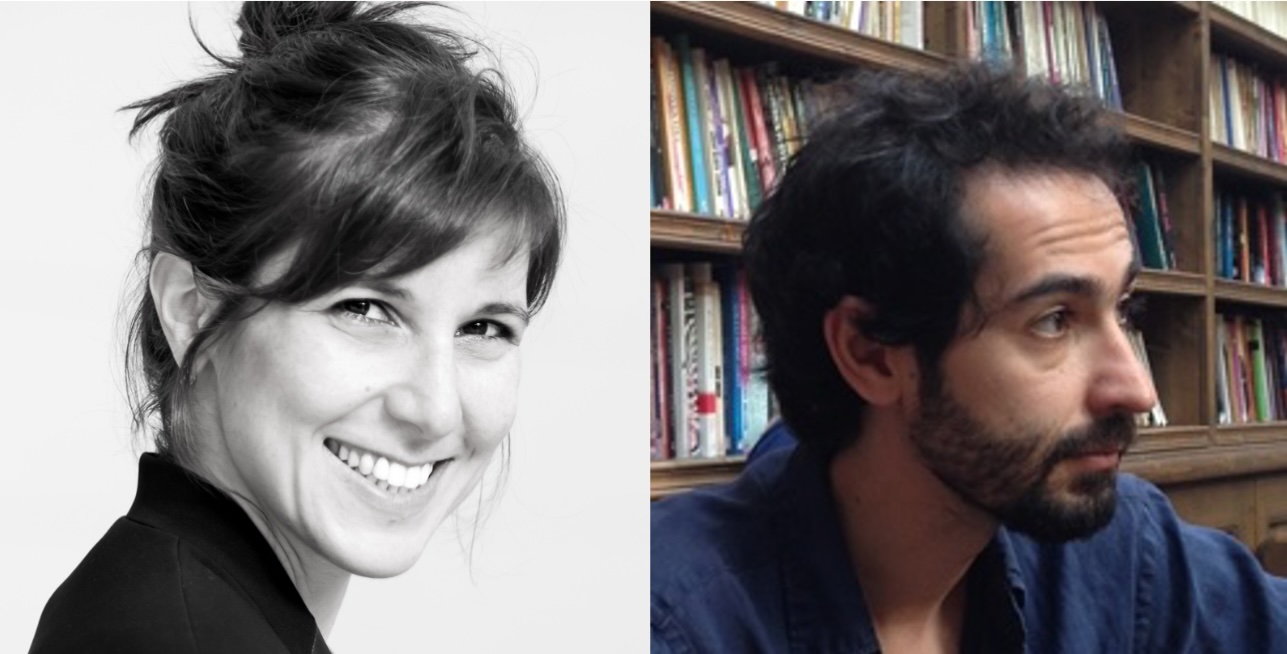
Gul Gunaydin, Emre Selçuk
A minimal interaction intervention to build cross-class weak ties and expand student opportunity networks
Gul Gunaydin is a professor of psychology at Sabanci University in Istanbul, Turkey. She received her PhD in social and personality psychology from Cornell University. Her research focuses on interpersonal relationships, exploring the dynamics of relationship formation, maintenance, and the well-being functions of both minimal and close ties. Her work has been published in leading journals, including the Journal of Personality and Social Psychology, Personality and Social Psychology Bulletin, and Social Psychological and Personality Science. Gul has received research funding from the Science and Technology Institute of Turkey and currently serves as Interim Director of The Love Consortium, a data science and collaboration initiative focused on social connection.
Emre Selçuk is a professor of social psychology at Sabanci University. He received his bachelor’s degree from Middle East Technical University, Turkey, and his PhD from Cornell University. He is an elected member of the Science Academy of Turkey. He currently serves as a co-editor for Personality and Social Psychology Bulletin.
Project description
The project will test a simple, low-cost intervention that brings first-year students from different socioeconomic backgrounds together for brief, casual conversations. The researchers will examine whether these interactions help students from lower socioeconomic backgrounds build cross-class connections, achieve greater well-being and feelings of belonging, and gain better access to opportunities and resources over the semester. The goal is to develop an easy-to-implement approach that universities can use to help students expand their networks and improve their chances for upward mobility.
See more information
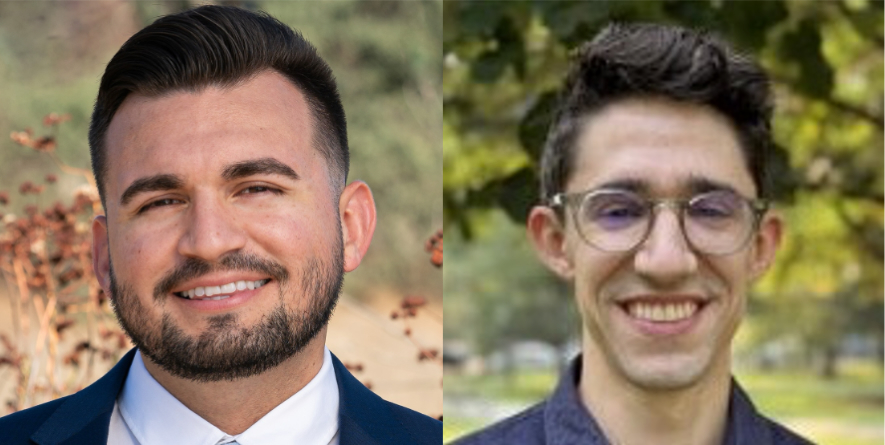
Ivan Hernandez, David Silverman
Expanding opportunity without competition: designing institutional messaging that promotes social mobility
Ivan A. Hernandez is an assistant professor of psychology and child development at Cal Poly San Luis Obispo. Ivan earned a BA from California State University San Marcos and a PhD from Northwestern University. His research examines the processes through which people’s identities, motivation, and decisions are influenced by messages they receive from the environments they navigate. He is the author of several publications in outlets such as Proceedings of the National Academy of Sciences and Journal of Experimental Social Psychology. Ivan has been awarded over $1 million in research funding from the National Science Foundation and other agencies.
David M. Silverman is an assistant professor in the Department of Psychology at Yale University where he leads the Identity in Context Lab. He is broadly interested in how the complex structural barriers and social relationships that racially and economically marginalized students navigate throughout their educational trajectories shape their path toward social mobility. While much of David’s work has focused on identifying the subtle processes through which these forces undermine marginalized students’ access to opportunity, he has also documented the pronounced effects of creating academic contexts that instead elevate the valuable skills, knowledge, and resources that students gain as a direct factor of their otherwise stigmatized identities. His lab’s research demonstrates that embedding such “strength-based approaches” across academic contexts—including through educator learning communities, peer study groups, and other institutional interventions—sustainably reinforces marginalized students’ well-being and achievement and, in turn, their likelihood of climbing the socioeconomic ladder.
Project description
This project examines how community colleges can communicate social mobility opportunities in ways that help students take meaningful steps toward transferring and improving their long-term outcomes. The researchers test whether providing clear, step-by-step pathways—and emphasizing that opportunities can grow for everyone rather than be limited—motivates students to take action while avoiding unintended competition or discouragement. The findings will generate practical, evidence-based tools that institutions can use to expand access to opportunity and support upward mobility.
See more information
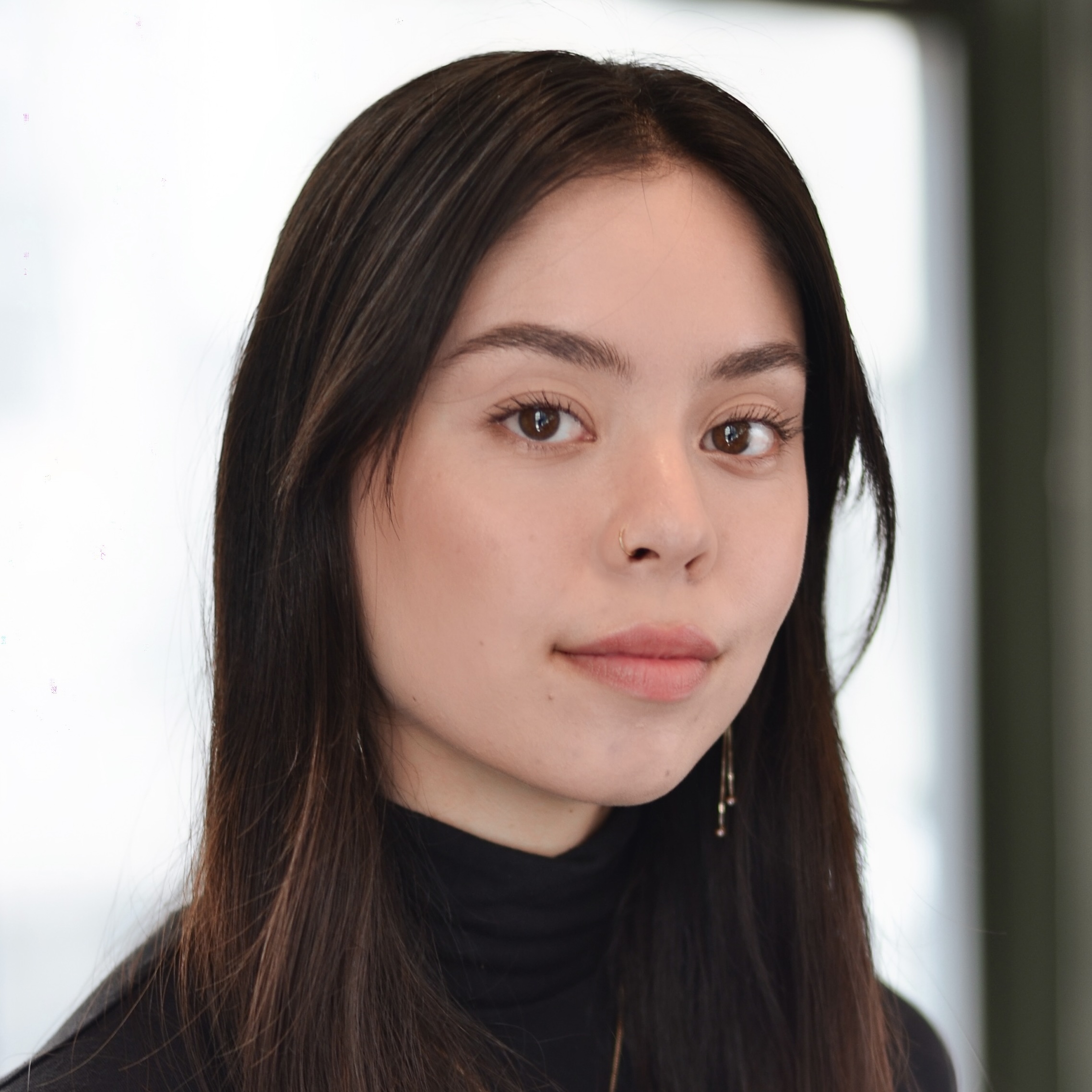
Hedda Phan
Affirmative action bans and intergenerational mobility: evidence from state-level natural experiments
Hedda Phan is a PhD student in economics at the CUNY Graduate Center. Her research focuses on poverty, inequality, and intergenerational mobility, with a particular interest in how institutions and policy shape the transmission of advantage across generations. She is especially interested in the role of education systems and labor market structures in influencing these dynamics.
Hedda earned her bachelor’s degree in mathematics/economics from UCLA. During her undergraduate studies, she worked on research projects examining the economics of crime, the electoral impacts of labor unions, and inequality in educational attainment and income. These experiences motivated her broader interest in understanding the drivers of inequality and the policies that can mitigate or exacerbate it.
Project description
This project aims to understand the impact of affirmative action policies in college admissions on the intergenerational income mobility of underrepresented minority students in the US. Using restricted geocode data from the Panel Study of Income Dynamics, Hedda employs a causal methodology to examine the long-run income mobility effects of the state-level affirmative action bans that occurred in six states in 1990s.
See more information
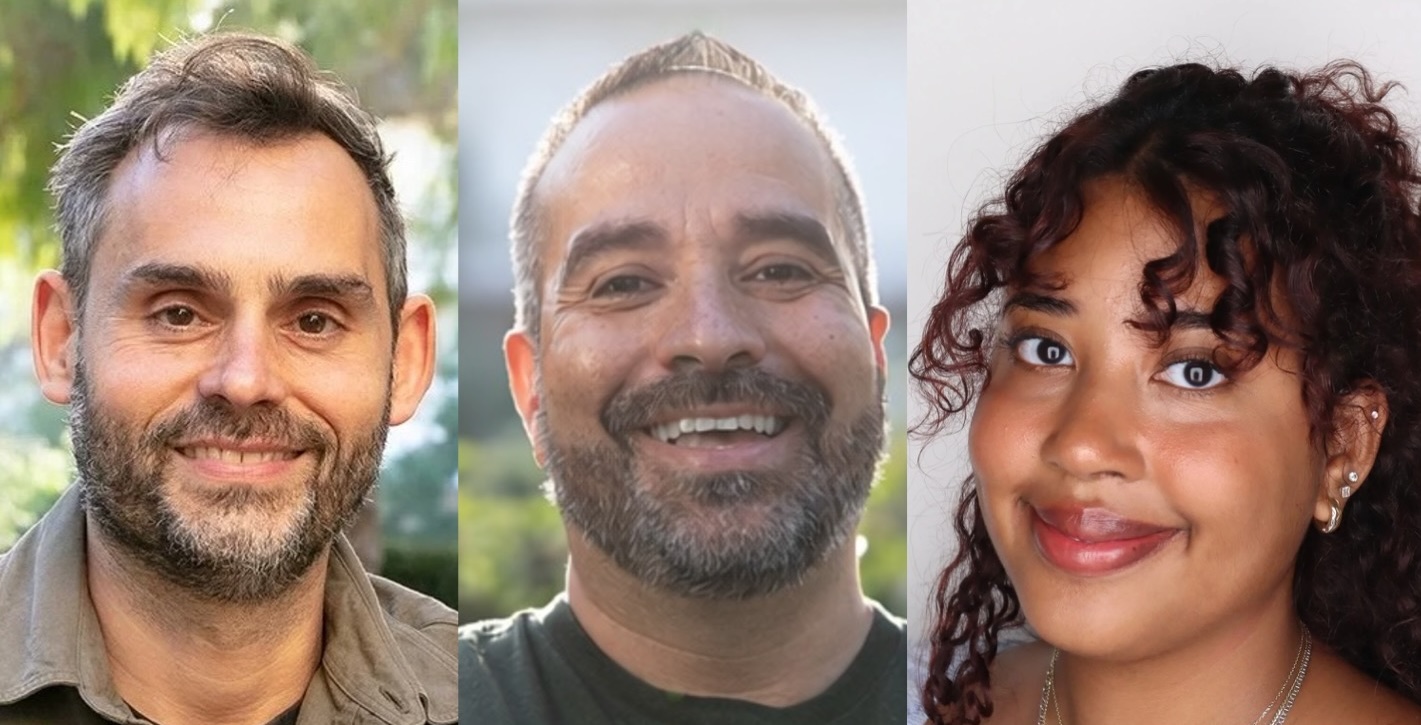
Paul Piff, Anais Geronimo Jimenez, Rudy Medina
The architecture of ascent: leveraging cultural assets and self-monitoring to bridge the social mobility gap
Paul Piff is an associate professor in the Department of Psychology at the University of California, Irvine. His primary interests are in how social hierarchy, economic inequality and social class, and social emotion shape relations between individuals and groups. He received his PhD from the University of California, Berkeley.
Anais S. Geronimo Jimenez is a PhD student who studies the consequences of inequality by examining the moral underpinnings of sociopolitical behaviors and attitudes, as well as the various mechanisms that lead to the justification and maintenance of inequality. She aims to shed light on how we can enhance intergroup social relationships and foster communities of care.
Rudy Medina is a PhD candidate who studies how family values and feelings of social support help young adults persist in the face of challenges. He studies how encouragement from family and close others can motivate young adults to stick with long-term goals. He is ultimately interested in how these everyday experiences shape people’s beliefs about upward mobility and career opportunities.
Project description
This project investigates how students from working-class backgrounds can leverage familial interdependence and social adaptability as essential strategic assets for navigating higher education. By reframing these cultural foundations as professional strengths rather than obstacles, the research aims to establish new pathways for economic advancement that do not require students to abandon their core identities. Ultimately, this work provides a blueprint for transforming lived experience into a powerful driver of intergenerational social mobility.
See more information
Research Grantees 2025
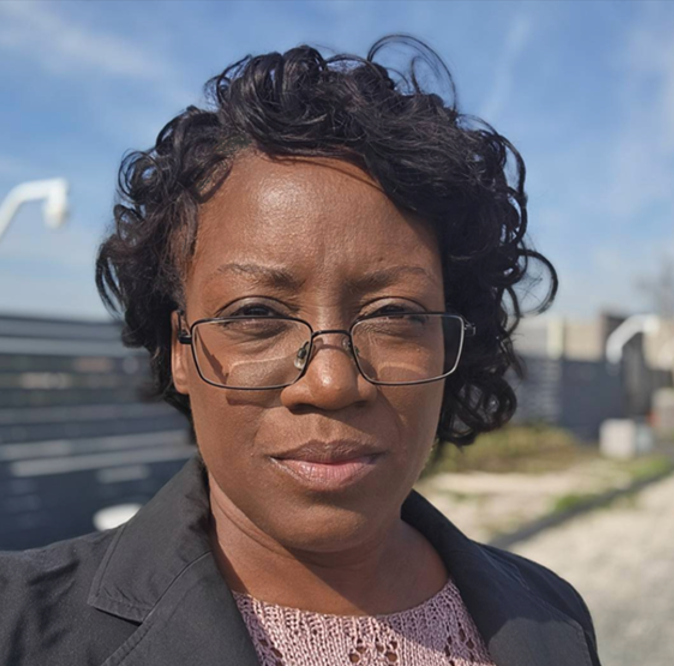
Teresa Booker
The impact of career services on financial stability and social mobility at John Jay College
Teresa A. Booker is a political scientist and tenured Associate Professor at the John Jay College of Criminal Justice, CUNY. She teaches courses in Africana Studies, ethnic studies, and restorative justice. Her doctoral dissertation examined the strategies used to deliver humanitarian relief during Operation Lifeline Sudan. Her research interests include peacemaking and the implementation of public policy. She has published in the peer-reviewed journals The National Journal of Urban Education and Practice, The International Journal of Restorative Justice, The Journal of Pan African Studies, and The International Journal of Regional and Local Studies. She is the editor of the book Race and Urban Communities (The University of Akron Press).
Project description
CUNY institutions have high social mobility rates, yet the mechanisms of success remain underexplored. This research project examines the role that services services and curricular experiences play in students’ long-term financial outcomes and mobility. This study will assess how career services at John Jay College contribute to students’ financial security, social mobility, and long-term adaptability. It will also examine whether these services help reduce financial stress for students and their families, contributing to intergenerational stability. In doing so, the research will consider the ongoing tension between measurable outcomes—such as the number of job placements—and the less quantifiable but equally vital goals of personalized support, career confidence, and long-term development.
See more information
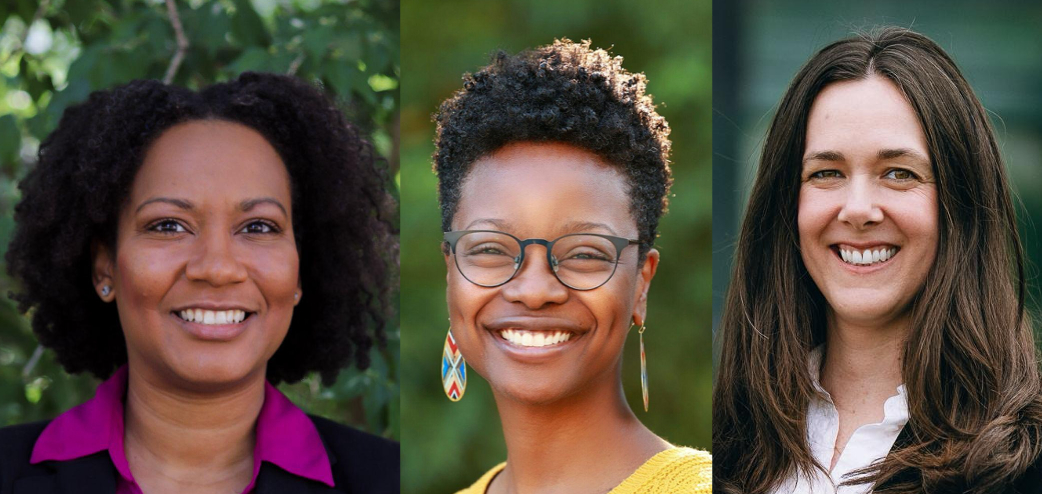
Janeria Easley, Regina Baker, Emily Dore
Beyond the starting point: holistic mobility among black and white families
Janeria Easley is an Assistant Professor in the Department of African American Studies at Emory University. She holds a B.A. in Sociology and English from Duke University and earned her Ph.D. in Sociology, with a concentration in Demography, from Princeton University. Her research and teaching expertise lie at the intersections of racial and ethnic relations, demography, social stratification, urban studies, and media studies. Broadly speaking, her scholarship deepens the understanding of racial stratification.
Regina S. Baker is an Associate Professor in the Department of Sociology and a Faculty Fellow at the Carolina Population Center at the University of North Carolina at Chapel Hill (UNC-CH). Previously she was an Assistant Professor of Sociology at the University of Pennsylvania. Her research seeks to understand the factors that create, maintain, and shape socioeconomic conditions and disparities across people, places, and time. She is particularly interested in the role of institutional mechanisms in shaping individual outcomes and broader patterns of poverty and inequality. She received her BA in sociology and social work from Mercer University, did graduate training at the University of Georgia, and received her PhD in sociology from Duke University.
Emily Dore, who is currently a postdoctoral research fellow at the Social Policies for Health Equity Research (SPHERE) Center at the Harvard School of Public Health after receiving her PhD in sociology from Emory. She studies structural determinants of health with a life course perspective. Her research aims to inform social and economic policies that decrease health disparities.
Project description
This project seeks to further illuminate the invisible architecture of structural racism as it relates to intergenerational mobility. Embedded in this project is a desire to better understand the extent to which U.S. society re-creates racial inequality with each generation. To understand this, we must more fully account for socioeconomic background in estimates of intergenerational mobility. The fact that Black parents have greater difficulty transmitting their status and achievements to the next generation suggests that powerful race-based mechanisms limit the attainment of Black adults in each generation, net of the influence of parents and their own experiences of racial inequality. This project answers the call, from prominent scholars of mobility, for a more holistic view of socioeconomic origin in mobility research.
See more information
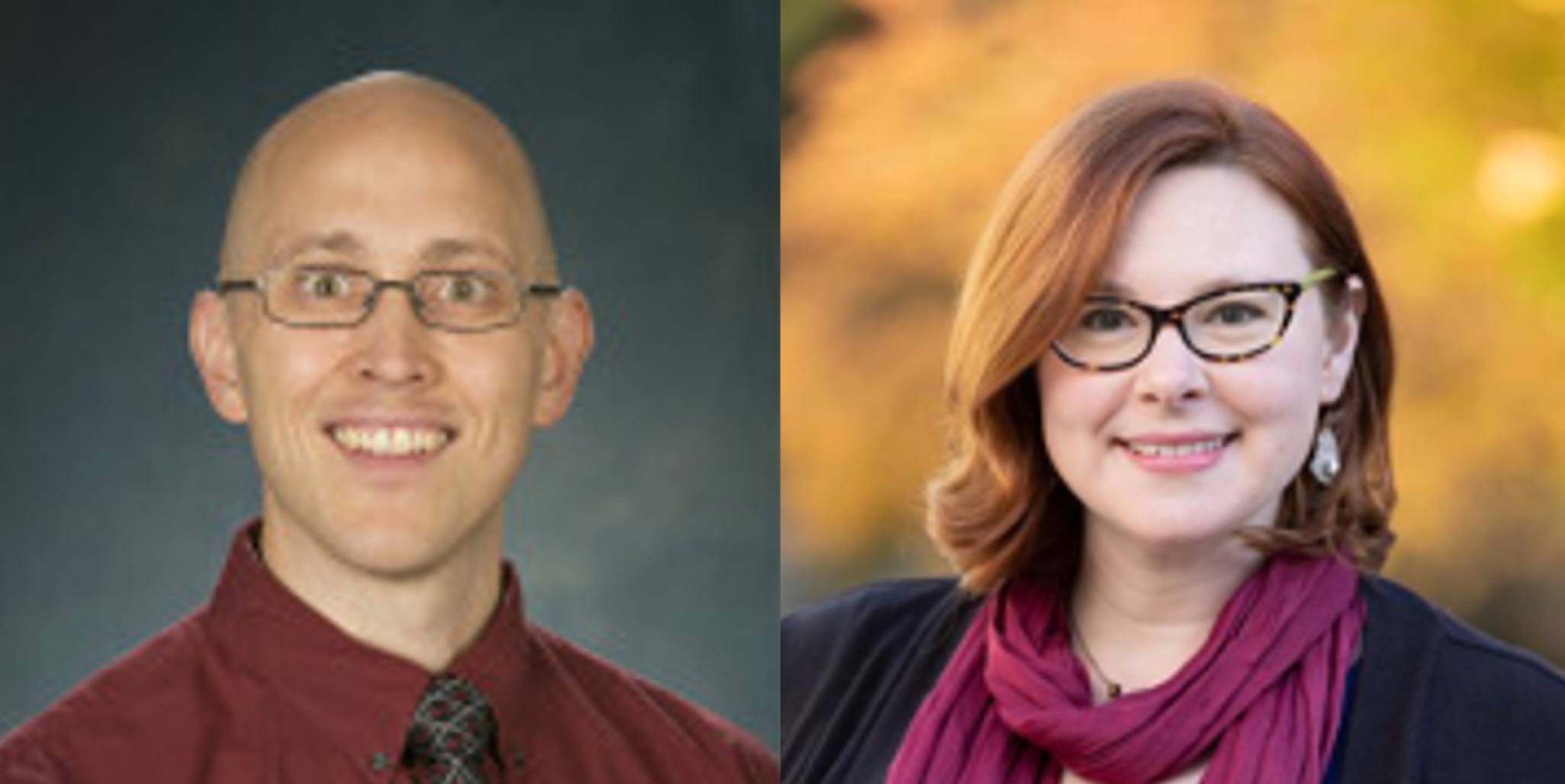
Andrew S. Hanks, Julie Gressley
Intergenerational effects of education to job mismatch
Andrew S. Hanks is an associate professor of consumer sciences in the Department of Human Sciences at The Ohio State University. He studies the ways in which the economic and contextual environments drive health-related behaviors and affect education decisions and associated market outcomes. Specifically, his research focuses on federal nutrition assistance policies and post-secondary educational policies. He completed his PhD in Economics and MS in Statistics at Washington State University and completed a three-year postdoctoral research position as the research director for the Cornell Center for Behavioral Economics in Child Nutrition Programs and lead analyst at the Cornell University Food and Brand Lab.
Julie Gressley is a PhD candidate at The Ohio State University. She holds an MA from The George Washington University and a BA from University of Massachusetts Amherst.
Project description
The goal of this project is to examine how high school students’ attitudes, educational decisions, and occupational outcomes are influenced by the context of their parents’ education, occupation, marital status, and geographic backgrounds. The researchers will use longitudinal data on high school students to assess the direct effect of urbanicity and of parents’ overeducation/job match influence on their children’s attitudes towards education and postsecondary educational outcomes.
See more information
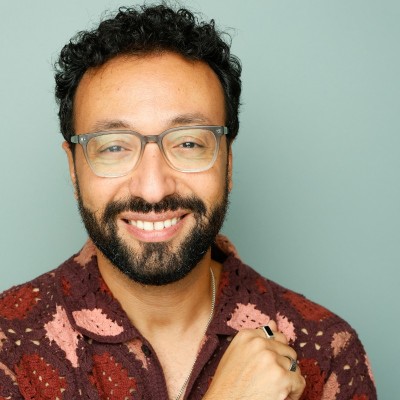
Mohamed Hassan Awad
Social mobility and meaningful work
Mohamed Hassan Awad is Assistant Professor of Entrepreneurship at California State University, Los Angeles. He received his Ph.D. in Management from the University of Oregon. His research combines theoretical and empirical insights from strategy and organization theory to investigate various topics at the intersection of business and society, with a focus on social innovation and entrepreneurship, ethics and sustainability, pluralism and complexity, cross-sector partnerships, and issues of power and social change.
Project description
To enrich our understanding of the many dimensions of social mobility, beyond the traditional metrics centering the upward shifts in earnings, this research projects seeks to investigate the lived experiences or perceptions of meaningful work as a form of socially mobile advancement based on higher education. The study uses a life story method to collect rich narratives from participants. The findings of this study will provide insights into the reframing of social mobility that extends beyond traditional measures focused solely on economic advancement.
See more information
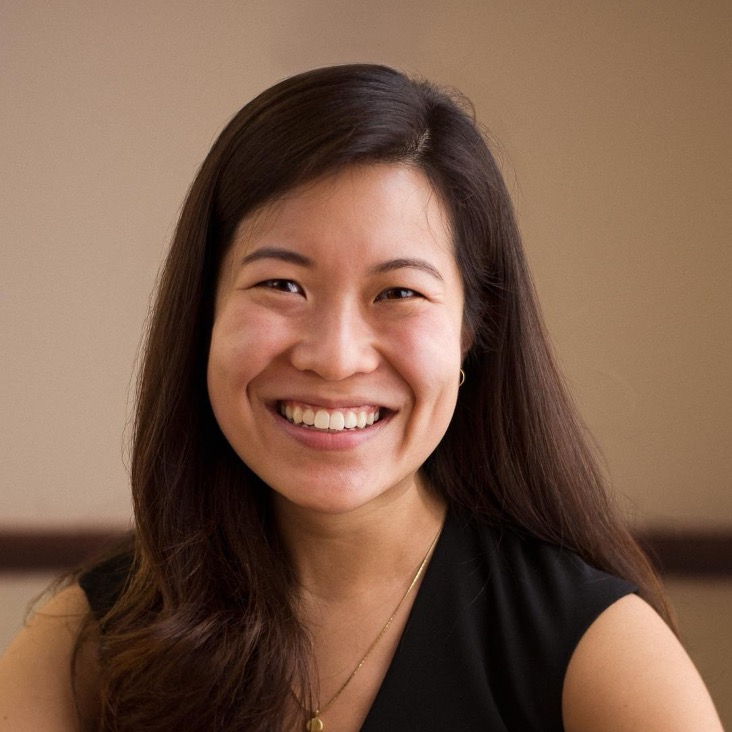
Joyce Kim
Looking beyond the classroom: social mobility in the college-to-career transition
Joyce Kim is a joint PhD candidate in Sociology and Higher Education at the University of Pennsylvania. She uses qualitative methods to study mechanisms of inequality and mobility in the college-to-labor market transition. Her work encompasses several areas, including education, culture, organizations, work, race/class/gender, mobility, inequality, and morality.
Project description
One potential underexplored mechanism for understanding barriers to opportunity in the college-to-career transition is the role of experiences outside the formal classroom, like student clubs, part-time work, and fellowships. This project utilizes an ethnographic method of data collection across two higher education institutions (i.e., broad access, public vs. highly selective, private) over 24 months, in order to examine how out-of-classroom activities inform students’ career plans.
See more information
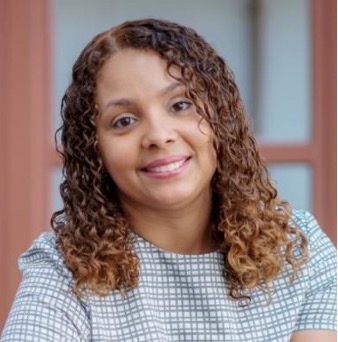
Elizabeth Rivera
Gentrification, social mobility, and institutional policy responses at public Hispanic-Serving Institutions (HSIs)
Elizabeth I. Rivera is an Associate Professor of Quantitative Research Methods in the Department of Educational Foundations at Montclair State University’s College of Education and Human Services. She holds a joint Ph.D. in urban systems and in economics from Rutgers University – Newark, a M.S. in Social Research from Hunter College, CUNY, and a BA in economics from Barnard College, Columbia University. As an economist of education, Dr. Rivera’s scholarly interests involve the economics of urban education, residential and school segregation, and structural educational inequities by race and ethnicity.
Project description
This project investigates how public Hispanic-Serving Institutions (HSIs) function as engines of upward social mobility for Latinx students—particularly in the face of neighborhood-level disruptions like gentrification. The research focuses on how the policies and practices of HSIs shape Latinx student access to STEM programs. The study will test whether neighborhood demographics shifts correspond to changes in Latinx STEM participation at HSIs and compare HSI support mechanisms across institutions to determine best practices for ensuring the academic success of Latinx students in STEM disciplines.
See more information
Research Grantees 2024
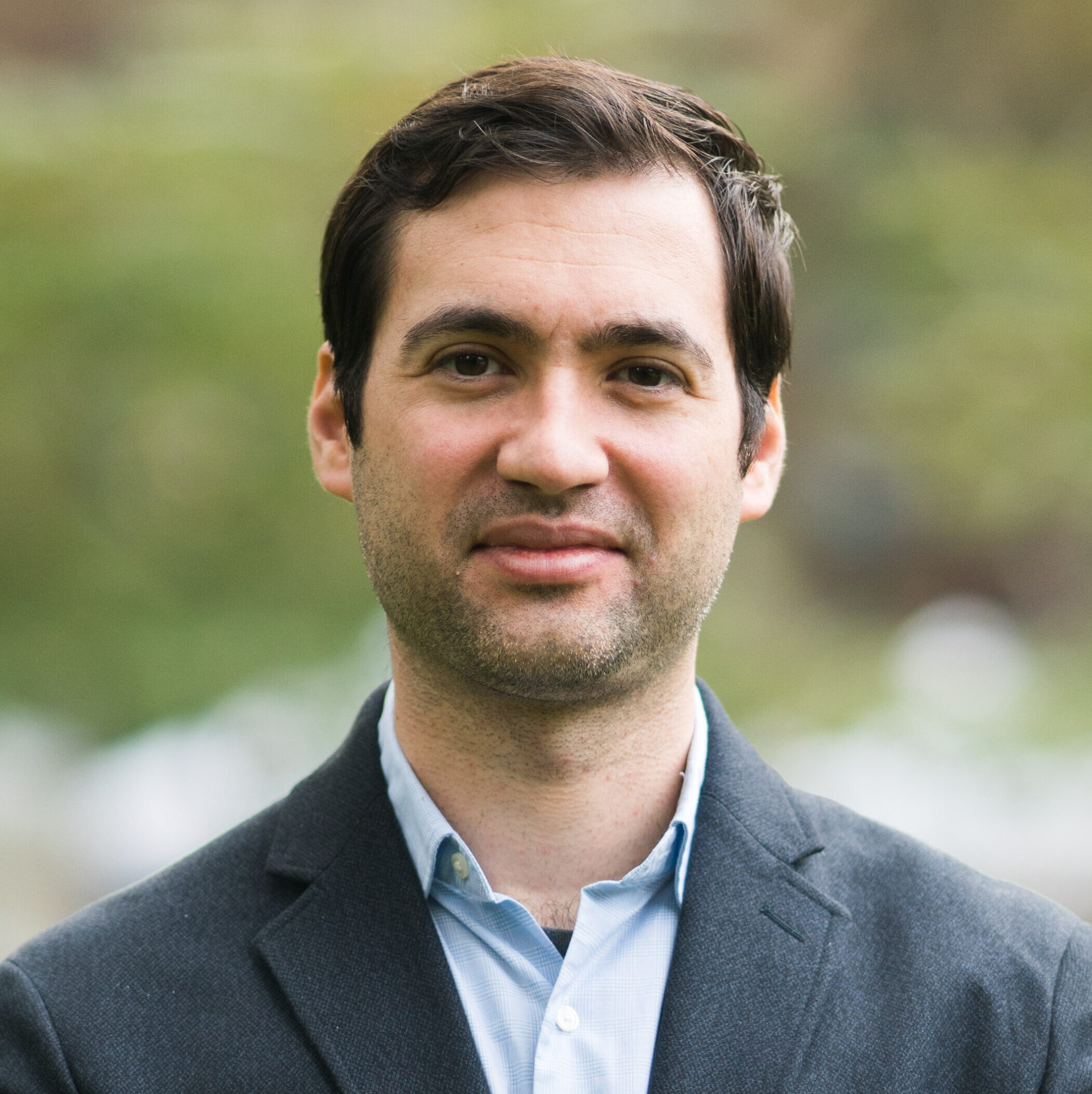
Emanuel Agu
The role of CUNY in advancing upward mobility
Emanuel Agu is an Adjunct Lecturer of Economic Analysis and Public Policy at the Marxe School of Public and International Affairs at Baruch College, CUNY. A labor economist with more than 15 years of experience in the private sector and higher education, he has authored reports on living conditions, well-being, and population trends for policymakers and faculty. His teaching and research focus on social inequality, economic mobility, and equality of opportunity. Agu has been a junior scholar with the Stone Center on Socio-Economic Inequality at the CUNY Graduate Center and a research fellow at the CUNY Institute for Demographic Research. He earned an MA in Economics from the University of Buenos Aires and an MPhil in Economics with a Certificate in Demography from the CUNY Graduate Center, where he is completing his PhD.
Project Description
This project investigates the role of the City University of New York (CUNY) in advancing upward mobility within its metropolitan context. It explores how CUNY’s unusually low levels of income segregation foster cross-class interactions among students, contributing to the university’s high rates of economic mobility. Using linked data—including geocoded student records, enrollment and college characteristics, family background, and neighborhood socioeconomic indicators—the study constructs measures of “economic connectedness” to capture patterns of cross-class interaction. The research design evaluates the impact of graduating from CUNY colleges on low-income students from disadvantaged neighborhoods.
See more information
Paul Attewell
How colleges foster movement into the middle class and upwards leaps to the top
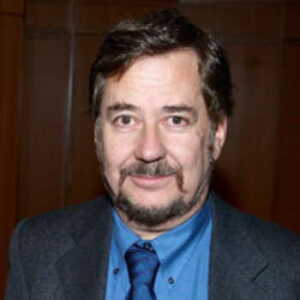
Paul Attewell is a Distinguished Professor of Sociology at the CUNY Graduate Center, where he teaches doctoral and master’s students. He is co-author of Passing the Torch, an award-winning book on the educational attainment of children of CUNY’s Open Admissions undergraduates. His research examines how higher education shapes inequality and mobility, with attention to barriers such as debt, employment while in school, transfer credit loss, and incomplete degrees. Attewell has also studied the impact of social class and ethnicity on college-to-work transitions. His work has been supported by the Gates Foundation and has influenced policy discussions on equity and completion across U.S. higher education systems.
Project Description
This project builds on Raj Chetty’s research on college and upward mobility, which highlighted CUNY’s success in moving students from the lowest to the highest income levels. Attewell’s study expands this lens to examine how colleges foster movement into the middle class as well as upward leaps to the top. Using linked data on student demographics and institutional characteristics, the project analyzes how factors such as race, gender, immigrant status, and institutional expenditures influence upward mobility across colleges. The research aims to identify the institutional practices most strongly associated with mobility, generating insights that can inform strategies to reduce inequality in higher education.
See more information
April Burns
Social mobility and siblings relations
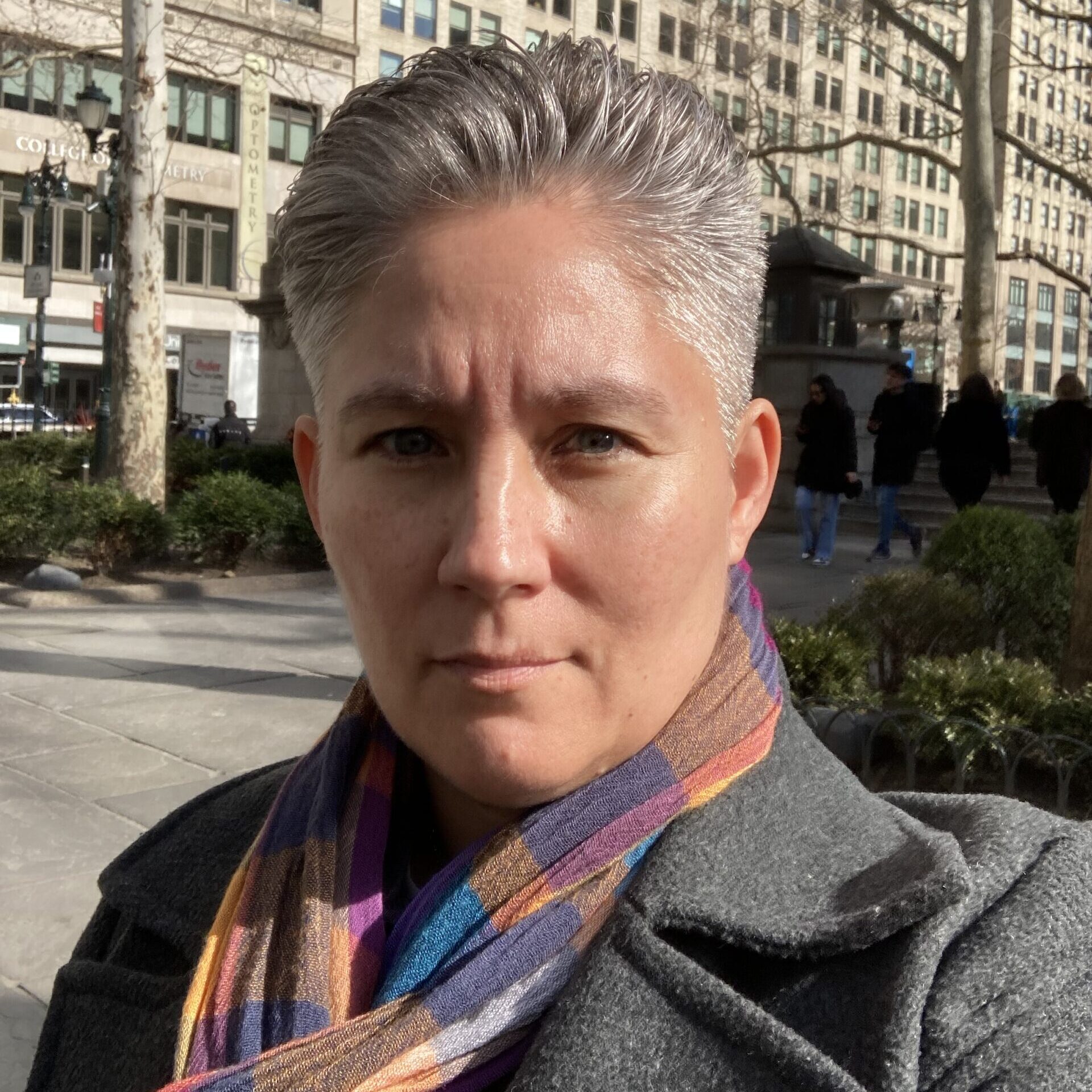
April Burns is an Associate Professor of Psychology at Guttman Community College, CUNY, where she teaches psychology and interdisciplinary social science courses. She holds a PhD in Social Psychology from the CUNY Graduate Center. Her research investigates how people negotiate ideological dissonance and relational ambivalence, particularly in working-class families and among first-generation college graduates. Burns has published on social mobility and educational equity in Teachers College Record and the Journal of Social Issues, and on adolescent sexuality in Feminism & Psychology and Sexuality Research and Social Policy. Her work highlights how identity, class, and education intersect in shaping relationships and long-term outcomes.
Project Description
Degrees of Discordance: Social Mobility & Sibling Relations explores the impact of credential-discordant sibling relationships within first-generation families. When one sibling earns a college degree while another does not, unequal educational outcomes reshape family dynamics, influencing power, authority, and social standing in ways rarely seen in middle-class or continuing-education families. This project examines how non-degreed siblings and first-generation graduates each experience and interpret these differences, revealing points of both connection and conflict. By analyzing these dynamics, the research sheds light on how family relationships mirror broader inequalities in educational attainment, particularly in today’s polarized social and political climate.
See more information
Waleed Sami
Filial piety and social mobility among Muslim-Americans
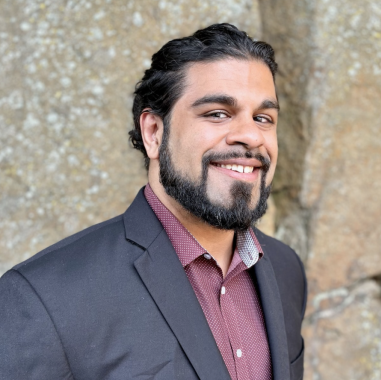
Waleed Sami is an Assistant Professor in the Mental Health Counseling program at The City College of New York, where he teaches courses including career counseling, practicum supervision, and child/adolescent counseling. Before earning his PhD, he worked extensively as a mental health therapist in community mental health centers, serving marginalized populations. His research examines the intersection of inequality, mental health, and well-being. Past projects have explored the effects of labor unions on mental health outcomes, the development of social risk assessments for therapists, and strategies to improve religious and spiritual competence in counseling practice.
Project Description
This project investigates social mobility within the Muslim-American population, a young and diverse community that faces persistent economic inequality. Despite representing nearly ten percent of New York City’s population, Muslim Americans’ educational and career mobility within the CUNY system remains underexplored. The research examines how family expectations and religious identity shape educational aspirations and career decisions, using both quantitative and qualitative methods. By focusing on the unique experiences of Muslim Americans, the study seeks to expand understanding of social mobility in the U.S. context and inform outreach and programming that support equity in higher education.
See more information
Dhipinder Walia
The importance of childcare for student-parents
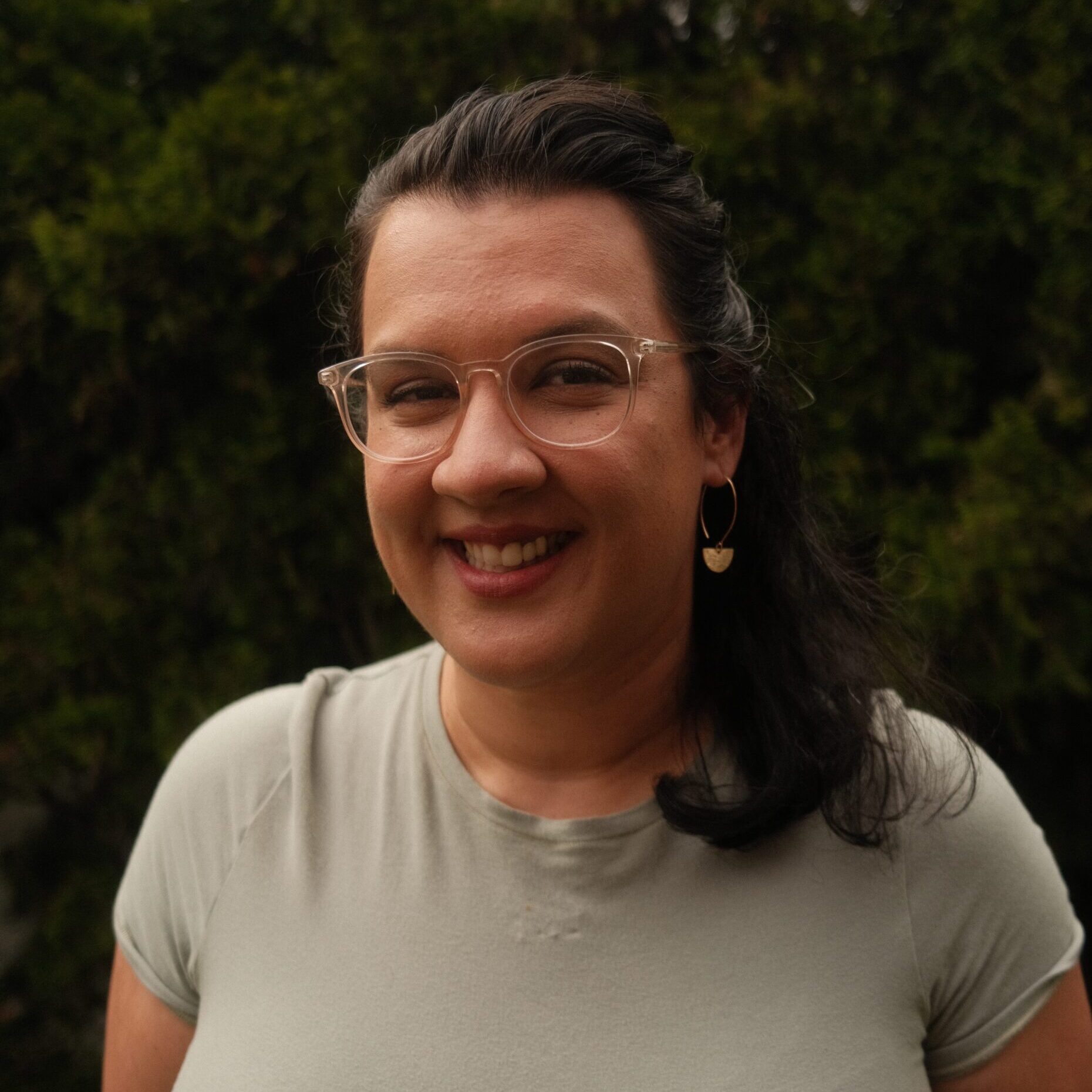
Dhipinder Walia is a Lecturer in the English Department at Lehman College, CUNY, where she has taught composition and creative writing for over a decade. Her courses address topics ranging from writing about trauma to responding to creative prompts. She is also a PhD student at the CUNY Graduate Center, completing a dissertation on campus childcare activism and rhetorics of care. Her work uses archival materials to historicize childcare activism on CUNY campuses and interviews with student-parents to explore how they define care, parenting, and joy. Walia’s research and teaching are rooted in equity, access, and advocacy, and she is most proud of her life-title as parent to her two-year-old son, Jack.
Project Description
Rhetorics of Care within Student-Parent Communities investigates how student-parents conceptualize care for themselves and their children, with a focus on campus childcare centers. Drawing on interviews with current student-parents at Bronx Community College and archival records of CUNY childcare activism from the 1960s–1990s, the project demonstrates that demands for accessible public education have long included a demand for high-quality childcare. It also emphasizes the care networks student-parents build within and beyond campuses, analyzing how these networks support well-being and interdependence. Engaging care studies scholars such as Eve Kittay, Audre Lorde, bell hooks, and Joan Tronto, the research develops a framework of care rooted in joy and rest. As part of this project, Walia is producing a short documentary featuring student-parents’ experiences, with the goal of advocating for institutional policies that recognize caregiving as central to educational success and social mobility.
See more information
Jennifer Sloan
How CUNY students with precarious immigration statuses perceive their opportunities for upward mobility
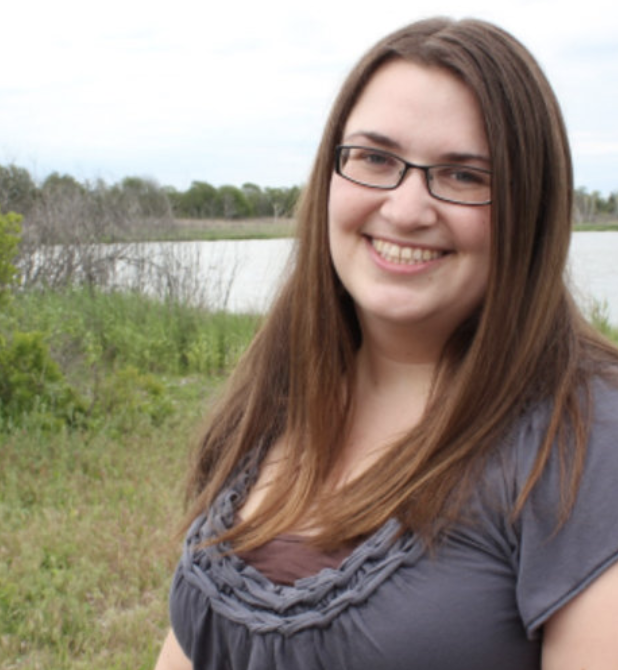
Jennifer Sloan is an Adjunct Lecturer in the Sociology Department at The City College of New York, where she teaches courses on migration, citizenship, and race and ethnicity. Her research examines how state and institutional policies shape the academic aspirations and performance of college students with precarious legal statuses. Sloan is a PhD candidate and Research Associate in Teacher Education at the CUNY Graduate Center and the Office of Academic Affairs. She holds an MPhil in Sociology from the CUNY Graduate Center and a BA in Sociology from the University of Wisconsin–Madison.
Project Description
This project explores how CUNY students with precarious immigration statuses perceive their opportunities for upward mobility. It examines how narratives of success, meritocracy, and belonging interact with social policies that restrict immigrants’ participation in society. Through interviews with current and former CUNY students, the research investigates how stories about inclusion and exclusion shape educational and career pathways. The study also analyzes how CUNY’s formal and informal student support systems create environments that may make social mobility feel attainable for undocumented and precariously situated students.
See more information

Robert Melara, Adriana Espinosa, Kai Gilchrist, Prabal De, Megan Finsaas
The factors that drive social mobility for CCNY students
Robert Melara is Chair of the Department of Psychology at The City College of New York and a cognitive neuroscientist with three decades of experience studying attention in both normal and impaired populations. He has authored over 60 peer-reviewed articles and led numerous federally funded initiatives to support student success, including an NIH Bridges to Baccalaureate grant that facilitates transfer and STEM training for minoritized students.
Adriana Espinosa is an Associate Professor of Psychology at CCNY and doctoral faculty at the CUNY Graduate Center. Trained as an economist, she leads an interdisciplinary research program examining socioeconomic, cultural, and psychological determinants of health among Hispanic, immigrant, and other marginalized populations. Her work, funded by the NIH and other sources, applies an intersectionality framework to reducing inequality and advancing social mobility.
Kai Gilchrist is a Lecturer in the CCNY Psychology Department and an academic advisor. She earned a BS in Psychology from City College and an MS in Neuroscience and Education from Teachers College, Columbia University. Gilchrist’s research interests include nontraditional treatments for depression and anxiety, as well as language and numerical cognition in diverse populations.
Prabal De is a Professor of Economics and Chair of the Department of Economics and Business at the Colin Powell School, doctoral faculty at the CUNY Graduate Center, and faculty affiliate at the CUNY Institute of Demographic Research. His research examines the intersection of economics and health policy, including studies on the Affordable Care Act, reproductive health, COVID-19, discrimination, and the impacts of economic shocks on mental health and well-being.
Megan Finsaas is a clinical psychologist whose research focuses on separation anxiety in adults and the continuity and comorbidity of psychological disorders across development. She studies how impairing anxiety manifests in adult relationships and affects psychiatric treatment outcomes, with the goal of advancing understanding of developmental and clinical processes across the lifespan.
Project Description
A Longitudinal Analysis of Social Mobility among Students and Alumni of The City College of New York investigates the social, economic, and psychological factors that drive CCNY’s exceptional record in fostering upward mobility. The project surveys current undergraduates and alumni at one, five, and ten years post-graduation to assess demographics, social standing, mental health, and retrospective college experiences. By analyzing how minority stress and other variables shape graduation rates and career success, the study seeks to uncover why CCNY students thrive relative to peers at other institutions. The findings will help identify the conditions that maximize social mobility and inform strategies to enhance outcomes for future generations of City College students.
See more information
Miles Corak, Luis Monroy-Gómez-Franco, Haydeeliz Carrasco
How college access impacts children from fragile families
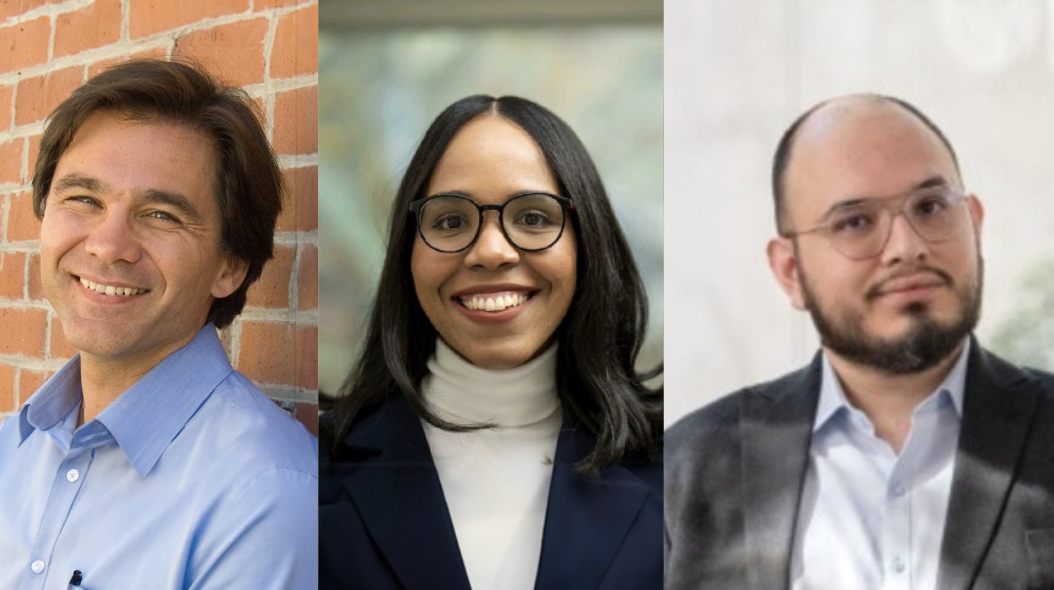
Miles Corak is a Professor of Economics at The Graduate Center, CUNY, and Senior Scholar at the Stone Center on Socio-Economic Inequality. His work has informed public policy on social and child poverty in Canada, the U.S., and beyond. He is best known for his research on the “Great Gatsby Curve,” which highlights the link between income inequality and intergenerational mobility. Corak has also held positions at UNICEF, The Russell Sage Foundation, Princeton, and Harvard, and served as lead advisor to the Canadian government’s first poverty reduction strategy.
Luis Monroy-Gómez-Franco is an Assistant Professor of Economics at the University of Massachusetts, Amherst, and an External Associate Researcher at the Centro de Estudios Espinosa Yglesias in Mexico City. His research focuses on intergenerational mobility, inequality of opportunity, and labor market dynamics in developing countries. He currently leads the 2023 ESRU Social Mobility Survey in Mexico. Monroy-Gómez-Franco earned his MA and PhD in Economics from the CUNY Graduate Center, an MSc from El Colegio de México, and a BA from the Universidad Nacional Autónoma de México.
Haydeeliz Carrasco is a PhD student in Economics at the CUNY Graduate Center and a Research Assistant at the Stone Center. She has worked with the World Bank, Inter-American Development Bank, and the Dominican Republic’s Social Policy Cabinet, co-developing models to analyze the effects of taxes and transfers on poverty and inequality. Her research focuses on how public policies affect household welfare and intergenerational mobility. Carrasco holds a BA in Economics from Pontificia Universidad Católica Madre y Maestra in the Dominican Republic and an MPA in International Development from the Harvard Kennedy School.
Project Description
This joint project investigates how college access affects intergenerational mobility in the United States, particularly among children from fragile families—those born to unmarried parents. While higher education is often viewed as a pathway to the American Dream, its impact varies by race, gender, and household structure. Using the Future of Families and Child Wellbeing Study dataset, the research measures how college enrollment interacts with family circumstances to shape long-term educational and income outcomes. By focusing on this understudied population, the study seeks to inform policy interventions that address the barriers facing one-third of U.S. children growing up in fragile families. The findings have the potential to strengthen strategies that improve college completion and promote mobility for those facing the greatest challenges. Ultimately, this work aims to provide actionable evidence for policymakers designing education and social programs. It also contributes to broader debates about equity and opportunity in higher education, situating fragile families at the center of conversations about the American Dream.
See more information
Kevin R. Foster, Sidie Sisay
The relationship between college completion and mental health
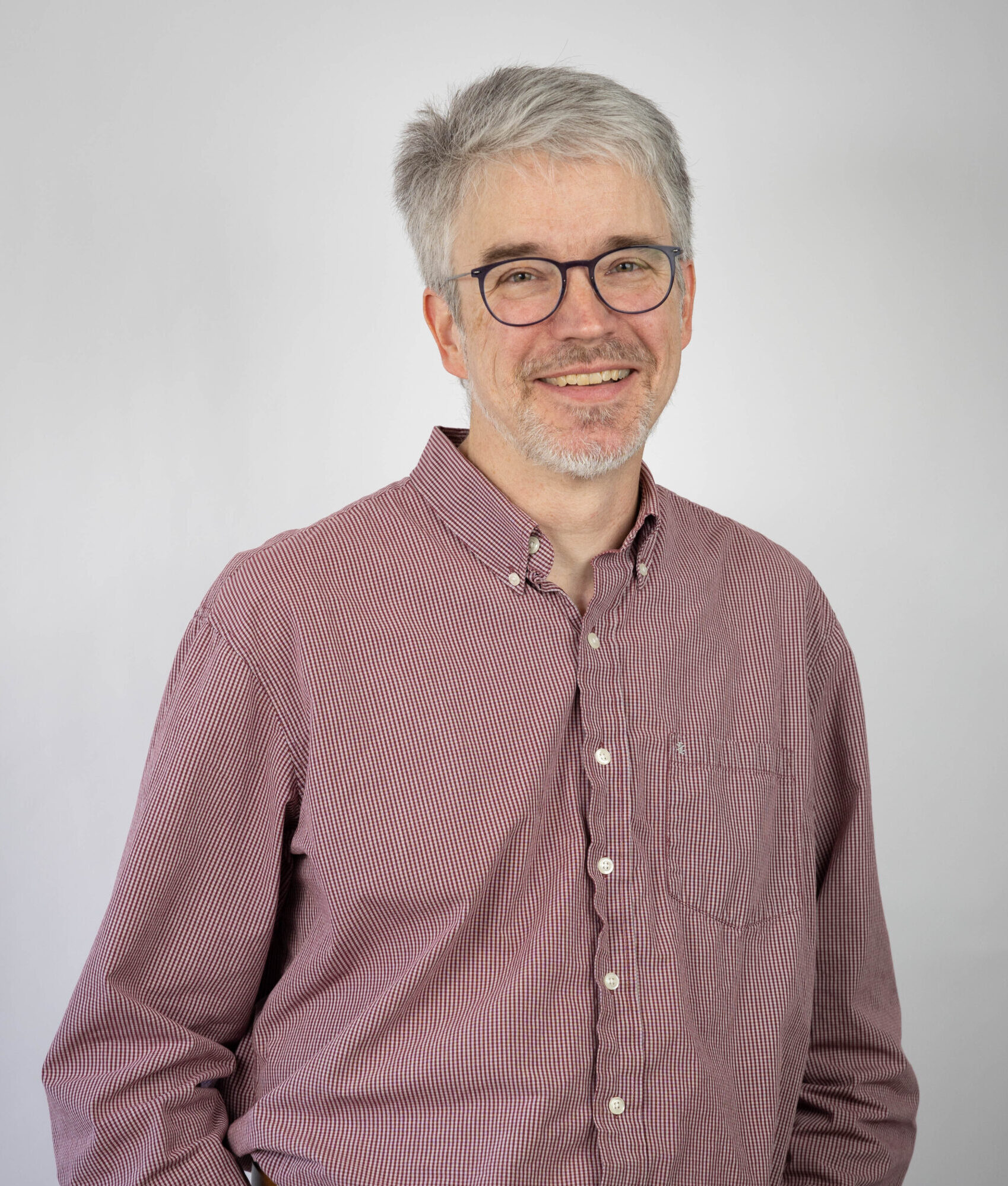
Kevin R. Foster is Associate Dean of the Colin Powell School for Civic and Global Leadership at The City College of New York. His research spans monetary and fiscal policy, option pricing, asset return predictability, and environmental entrepreneurship, unified by a focus on applied econometrics and policy-relevant analysis. He has led interdisciplinary teams with colleagues in economics and earth sciences, securing over $750,000 in research funding for environmental entrepreneurship initiatives. Foster has also served as an advisor to start-ups and private equity firms and was visiting faculty at the University of Shanghai for Science and Technology in 2010. He earned his PhD in Economics from Yale University and his BA from Bard College.
Sidie Sisay is a PhD student in economics at the Graduate Center, CUNY.
Project Description
College Completion and Mental Health explores the relationship between higher education and well-being, asking whether the strong correlation between college completion and better mental health is causal. The project examines how education influences quality of life outcomes beyond earnings, including intergenerational effects, while also considering how mental health may itself shape persistence and completion. By clarifying these dynamics, the research can deepen understanding of the non-economic benefits of higher education and inform policies on mental health services for college students.
See more information
Research on Social Mobility
Understanding what contributes to social mobility and translating that learning to benefit our students, our community and our country is a critical aspect of our work. Below is a selection of recent research conducted by our faculty. If there is research that you are doing on this issue that you would like to include please contact us.
- Prabal K. De and Muhammed Tümay – Effects of mandatory schooling expansion on upward educational mobility among women in Türkiye. (2026)
- Yana Kucheva – Subsidized housing and the transition to adulthood. (2018)
The receipt of subsidized housing across generations. (2014) - Matthew Nagler – Focusing as Commitment. (2023)
- Bob Melara
- College Completion in a No-Racial/Ethnic Majority Campus. Journal of College Student Retention Stokvis, N., Melara, R. D., & De, P. K. (2024).
- Experiences, impacts and mental health functioning during a COVID-19 outbreak and lockdown. López-Castro T, Brandt L, Anthonipillai NJ, Espinosa A, Melara R (2021)
- Substance use trajectories among urban college students: associations with symptoms of stress, anxiety, and depression before and during COVID-19, Journal of American College Health, DOI Laura Brandt , Nishanthi J. Anthonipillai , Teresa López-Castro , Robert Melara & Adriana Espinosa (2022)
- Norma Fuentes
- From Homemakers to Breadwinners to Community Leaders: Migrating Women, Class and Color. Rutgers University Press. May, 2023 (See Chapters 1, 2, 5 & 6 focused on Migration and Social Mobility)
- Generation X and the Future Health of Latinos. Fuentes-Mayorga, N., & Burgos, G. (2017).
- Educating the Children of Immigrants in Old and New Amsterdam,” in Richard Alba and Jennifer Holdaway (editors), The Children of Immigrants at School: A Comparative Look at Integration in the United States and Western Europe. New York City: New York University Press. (Equal Contribution). Crul, M., J. Holdaway, H. De Valk, N. Fuentes and M. Zaal (2013)”
- Guest appearance on Television Madrid AiJafaDrim special focusing on CUNY
- Lotti Silber
- After stories: Transnational intimacies of postwar El Salvador. Stanford University Press. Silber, I. C. (2022).
- Higher Education, State Repression, and neoliberal reform in Nicaragua: Reflections from a university under fire. Routledge. Bellanger, W., Cosgrove, S., & Silber, I. C. (2023).
- Rafia Zafar – Intergenerational Mobility in Income and Consumption: Evidence from Indonesia. Zafar, R. (2022, September 13).
- Dave Chokshi
- Income, Poverty, and Health Inequality. JAMA. 2018
- From Economic Recovery to Health Resilience. JAMA Health Forum. 2020
- Life expectancy is falling. Here’s how to change that. The New York Times. (2022, August 31).
- Maritsa Poros
- Migrant Social Networks: Vehicles for Migration, Integration, and Development. Migration Policy Institute. (2011).
- Modern Migrations: Gujarati Indian Networks in New York and London. Stanford University Press. (2011)
- Bob McKinnon
- Attribution with Bob McKinnon. NPR. Podcast series audio. (2020-Present)
- Moving Up Mondays, Substack. (2023-Present)
- Moving Up USA. (2018-Present)
- McKinnon, Bob (2023- Present). Moving Up in Communities. Fast Company.McKinnon, Bob (2023, July 25) Why Do People Succeed or Fail in Life? Your Answer Matters. Greater Good Magazine.
Contact us
Any Questions?
Interested in learning more about the lab’s plans and activities?
Please contact Pierre Losson at plosson@ccny.cuny.edu
Interested in collaborating or investing in advancing this work?
Please contact Abigail Feder-Kane, Director of Development and External Relations at afederkane@ccny.cuny.edu
Bob McKinnon
Director, Social Mobility Lab
Abigail Feder-Kane
Director of Development and External Relations